
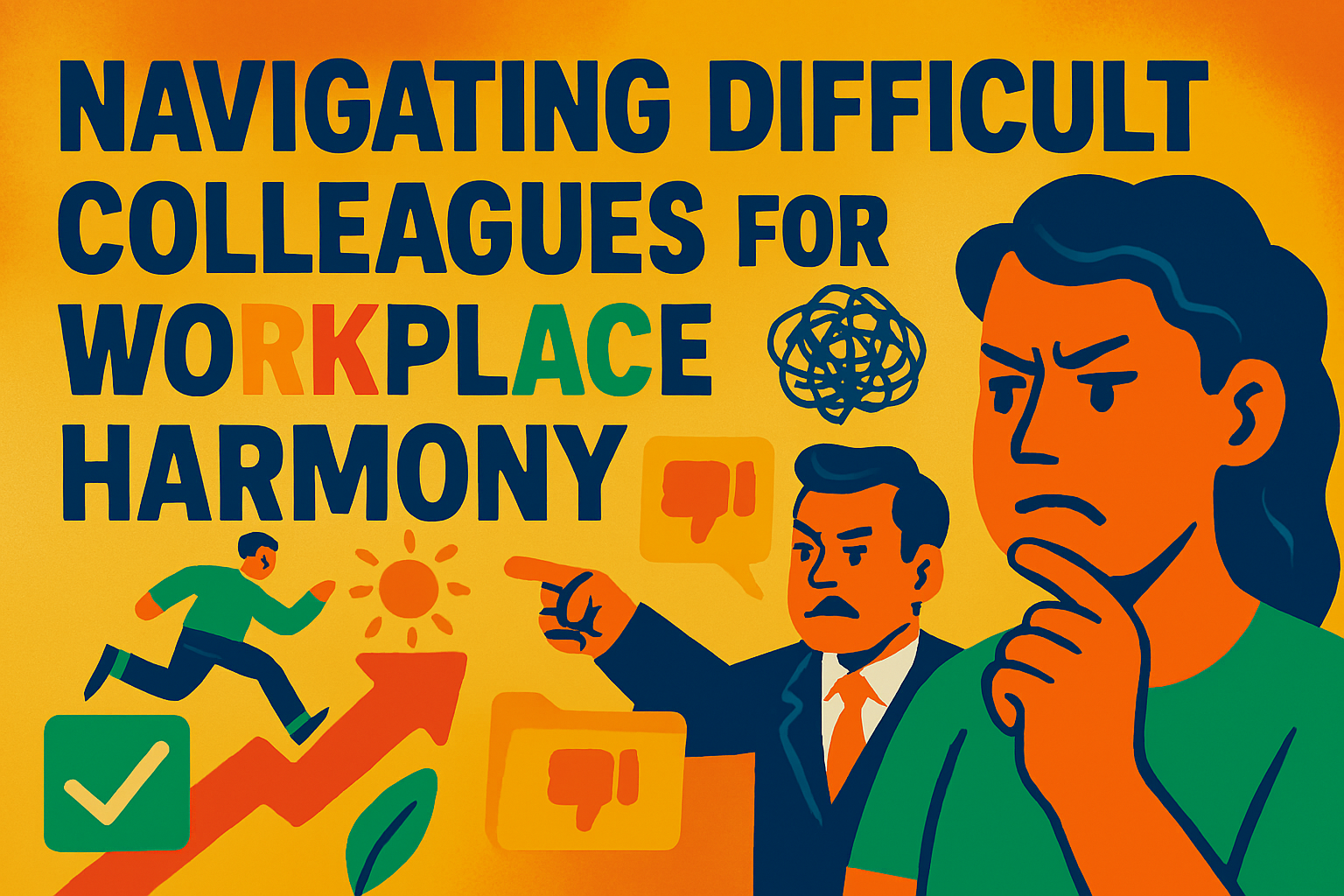
We’ve all encountered them: the colleague who seems to thrive on control, the one who subtly (or not-so-subtly) shifts blame, or the individual who expertly manipulates narratives to their own advantage. These interactions can be incredibly draining, eroding trust and productivity. While it’s easy to get caught up in frustration, what if we could approach these situations with a deeper understanding and a strategic toolkit?
Let’s dive into what psychology reveals about these challenging workplace dynamics and how we can effectively navigate them.
The Iceberg Illusion Beneath Control and Blame
When a colleague consistently exhibits behaviors like excessive control, blame-shifting, or narrative manipulation, it’s tempting to simply label them as “difficult” and move on. However, psychology encourages us to look beyond the surface. These actions, while frustrating, are often symptoms of deeper, unseen factors.
- A Deep Need for Control: A colleague who constantly seeks to manage every detail, preferring to “do things their own way,” often stems from a profound need for security and predictability. This can be rooted in past experiences of chaos or powerlessness, making them believe that if they aren’t in charge, things will inevitably go wrong. Their micromanagement isn’t always about distrust in others, but a desperate attempt to maintain order in their own perceived environment.
- Fear and Insecurity: Blame-shifting and involving supervisors with skewed information are classic defense mechanisms. When a colleague consistently puts the blame on others to cover their own mistakes, it’s often a desperate attempt to protect their self-image and avoid perceived negative consequences. This can stem from a deep fear of failure, criticism, or even job insecurity. They might genuinely believe that admitting fault will lead to severe repercussions, so their mind instinctively seeks an external scapegoat.
- Impression Management and Self-Preservation: The constant need to appear “smart” or competent to supervisors, even through exaggeration or misrepresentation, is a form of impression management. This isn’t necessarily malicious in its origin, but rather a strong drive to be valued and seen as high-performing, potentially fueled by a highly competitive environment or personal ambition.
- Lack of Self-Awareness: Some individuals are genuinely unaware of the impact their behavior has on others or how transparent their tactics might be. They might rationalize their actions as necessary for efficiency or self-preservation, failing to see the erosion of trust and morale around them.
Understanding these underlying factors isn’t about excusing problematic behavior, but about gaining empathy and insight, which are crucial for developing effective coping strategies.
Your Toolkit for Navigating Workplace Challenges
So, how do you handle these situations? Here’s a practical guide inspired by psychological principles:
1. Establish Clear Boundaries and Documentation
When dealing with a colleague who likes to control and deflect, clear boundaries are your best defense.
- Define Roles and Responsibilities: Ensure that your own responsibilities are well-defined and understood by all, including your supervisor. This makes it harder for a colleague to overstep or shift blame onto your plate.
- Document Everything Objectively: For important tasks, decisions, and communications, keep a factual, objective record. Emails confirming agreements, meeting minutes, and project updates serve as an invaluable neutral third-party witness against misrepresentation or blame-shifting. This isn’t about building a case against someone, but about protecting yourself with verifiable facts.
- Communicate in Writing: Whenever possible, confirm crucial points in writing. This minimizes misinterpretation and provides a tangible record of what was discussed and agreed upon.
For example, let’s say a colleague tries to take over a task you were assigned. Instead of arguing, you can send an email to both them and your supervisor: “Hi [Supervisor’s Name] and [Colleague’s Name], just to confirm, I’ll be handling [Task Name]. I’ll provide an update on my progress by [date].” This simple act clarifies roles and creates a paper trail, making it much harder for them to overstep or shift blame.
2. Focus on Facts, Not Personalities
When faced with manipulation or blame, stick to the objective reality of the situation.
- Refer to Evidence: If a colleague misrepresents facts to a supervisor, calmly and professionally refer to your documentation. “As per the email sent on [date] at [time], the agreement was X…” or “The project status report from [date] indicates Y…”
- Avoid Emotional Reactions: It’s natural to feel frustrated, but reacting emotionally can make you appear less credible. Maintain a calm, professional demeanor, even when provoked.
- Address Behavior, Not Character: Instead of saying, “You’re a control freak,” focus on the specific behavior: “When tasks are re-assigned without prior discussion, it impacts my workflow.”
3. Manage Up Effectively
When a colleague involves the supervisor with skewed information, you need a strategy to manage perceptions.
- Proactive Communication: Keep your supervisor informed about your progress and any potential challenges before your colleague does. This allows you to set the narrative.
- Focus on Solutions: When discussing issues with your supervisor, present problems along with potential solutions. This positions you as a problem-solver, not just someone complaining.
- Highlight Your Contributions: Ensure your supervisor is aware of your efforts and successes. This builds your credibility and makes it harder for others to undermine you.
For instance, to prevent being blindsided, you can schedule a brief weekly or bi-weekly check-in with your supervisor. During this meeting, proactively highlight your progress, discuss any challenges you’ve overcome, and mention upcoming milestones. This keeps your supervisor informed and positions you as a proactive, reliable professional, making your colleague’s attempts at misinformation less effective.
4. Cultivate Emotional Intelligence and Resilience
This is perhaps the most crucial tool for your own well-being. It helps you manage your reactions and maintain your professional integrity.
- Self-Awareness: Understand your own triggers and how these behaviors affect you. Recognize when you’re feeling frustrated or defensive.
- Self-Regulation: Develop strategies to manage your emotional responses. Take a deep breath, step away, or mentally reframe the situation before responding.
- Empathy (Without Excusing): While you don’t condone their actions, try to understand the underlying fear or insecurity driving their behavior. This can help you depersonalize their actions.
- Build Your Support Network: Connect with trusted colleagues or mentors who can offer a fresh perspective or simply be a listening ear.
For example, when a colleague makes a snide remark in a meeting, instead of lashing out, take a deep breath. Acknowledge the comment without taking the bait. You can simply say, “Thanks for your input, let’s get back to the topic at hand.” Later, you can reflect on how their comment made you feel and why, helping you better understand your own triggers and build resilience for the next time.
The Ripple Effect of Creating a Healthier Workplace
Dealing with colleagues who exert control, shift blame, or distort facts isn’t easy, but by adopting a psychologically informed and strategic approach, you can protect your peace, maintain your professional integrity, and contribute to a more transparent and respectful workplace culture. You’re not just managing a difficult situation; you’re fostering clearer communication and promoting a more fact-based environment for everyone.
What strategies have you found most effective in navigating these challenging workplace dynamics? Share your insights in the comments below!
#WorkplaceCulture #EmotionalIntelligence #ConflictResolution #Teamwork #PsychologyInTheWorkplace #ProfessionalDevelopment #WorkplaceChallenges